




Skip to content
Write it messy
Three ways forward
Read it twice
Practice the hard part
Match the person
Still sounds like you
You choose what stays

Write it. Read it. Say it with care.

Let me show you how
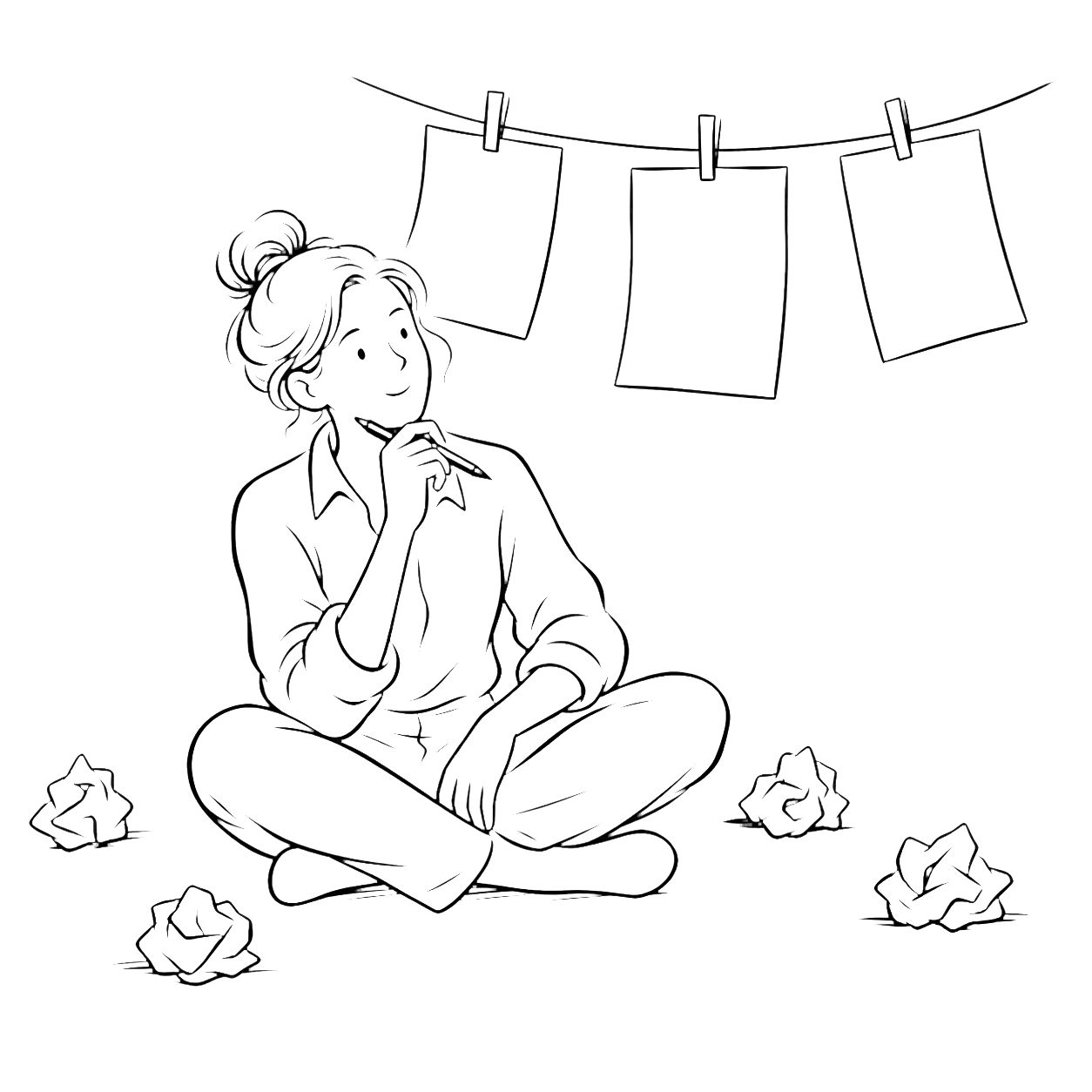
A hand-drawn scene of a woman considering her words among crumpled drafts and three blank pages.

Before you send

Rewrite

Turn a rough draft into three useful versions that preserve the meaning, emotion, and ordinary habits that make the message yours.

  1. 01

    Write it messy

    Start with the whole thought, even if it is unfinished, emotional, over-explained, or only a fragment.

  2. 02

    Name the intention and person

    Choose what the message needs to do and, when useful, who will read it. Tildi sets the register from that context.

  3. 03

    Choose from three versions

    Compare a small adaptive spectrum, with the middle version recommended. Edit, copy, or deliberately save the one that feels right.

You leave with

Exactly three adaptive versions, each with a plain-language “Why this fits.” You decide what gets copied, saved, or taught back to Tildi.


A hand-drawn scene of a person examining an uncertain message with a magnifying glass.

After you receive

Second Read

Read an incoming message without letting uncertainty fill in the harshest possible meaning.

  1. 01

    Paste the message you received

    Add the words as they arrived and, if it helps, select the person so Tildi can read the relationship context.

  2. 02

    Separate the words from the spiral

    Tildi describes the plain-language gist, how the tone reads, the likely meaning, and what the message probably does not mean.

  3. 03

    Decide the next move

    Use the suggested reply intentions to acknowledge, clarify, pause, or respond without letting anxiety write the answer.

You leave with

A plain-language gist, likely meaning, what it probably does not mean, and useful intentions for a reply.

A hand-drawn scene of a person calmly rehearsing with three blank prompt cards.

Before you speak

Prepare

Shape a difficult spoken conversation into an opening line, the points that must land, and calm responses to possible pushback.

  1. 01

    Describe the conversation

    Say who it is with, what needs to change, and the outcome you need. Rough notes are enough.

  2. 02

    Build the speaking plan

    Tildi gives you an opening line, the points that must land, and speakable wording for the hardest sentence.

  3. 03

    Prepare for the room to shift

    Review possible pushbacks and calm responses without pretending to predict another person’s behavior.

You leave with

A speakable opening, two or three core points, the hardest sentence, and practical ways to respond if the room shifts.

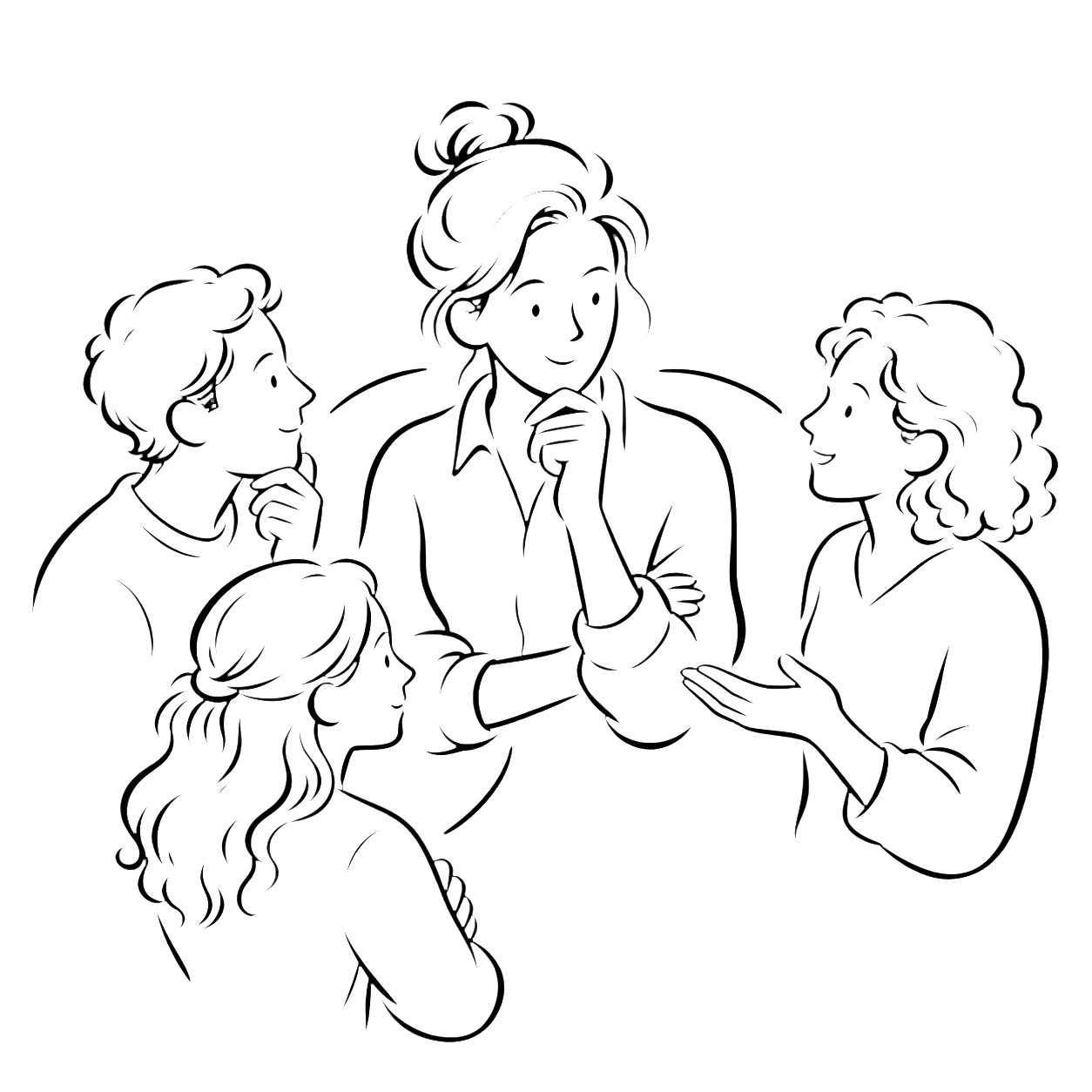
A hand-drawn scene of one person considering how to communicate with three different people.

Across every message

People

Remember the relationship context you choose so the same intention can land differently with a manager, recruiter, parent, or close friend.

  1. 01

    Save the relationship, not an identity guess

    Add the relationship type, preferred style, sensitivity, and any notes you choose. Tildi never infers culture from a name or background.

  2. 02

    Choose the person in a flow

    Select them while rewriting, using Second Read, or preparing so the same relationship context carries into the work.

  3. 03

    Let the register adjust quietly

    With Unfold, consistent positive choices can settle into a private relationship voice you can inspect or forget at any time.

You leave with

Recipient-aware warmth, directness, politeness, and formality based on relationship context, never a name or stereotype.

01

A voice that stays yours

A voice that stays yours.

Tildi keeps learning from what you teach it, never your drafts.

See how Tildi learns your voice
  1. Show

    Start with writing samples you deliberately choose.

  2. Teach

    Guide the fit with feedback like “sounds like me” or “too formal.”

  3. Keep

    Review, correct, pause, or forget what Tildi learned. You keep the final say.

02

26 intentions · 4 families

Name what the words need to do.

The same sentence can reassure, set a boundary, own a mistake, or ask for clarity. Tildi starts with that need instead of asking you to pick a generic tone.

A hand-drawn speech bubble for everyday messages.

Everyday

The easy, day-to-day ones you barely think about.

A hand-drawn pair of split rocks and a speech bubble for hard-to-say messages.

Hard to say

The messages you reread five times before sending.

Two hand-drawn hands reaching toward each other for requests.

The ask

Get what you need without the cringe.

A hand-drawn lantern holding a heart for warm messages.

Heart first

Warmth that still sounds like you.

26 intentions to write for

  • Keep it casual
  • Soften the blow
  • Ask for something
  • Open up
  • Give a quick heads-up
  • Apologize for real
  • Ask for help
  • Say thanks
  • Check in
  • Set a boundary
  • Follow up
  • Congratulate
  • Make plans
  • Hold your ground
  • Negotiate
  • Comfort someone
  • Clear up a mix-up
  • Say no
  • Sort out a problem
  • Reach back out
  • Keep it professional
  • Call it out
  • Make your case
  • Show interest
  • Give honest feedback
  • Introduce yourself
03

The supporting layer

The useful parts continue after the rewrite.

Saved by choice

Only the version you explicitly save becomes a Saved entry. The original draft and unused alternatives do not come with it.

Local-first · optional sync

Speak it messy

On iPhone, live speech input turns the whole thought into text on-device. The audio never leaves the phone.

On-device speech

Use it where you write

The same intention and recipient-aware system reaches the web room, iPhone app, keyboard, and share sheet.

Web · iPhone · keyboard · share